Sensiband ESSENTIAL Metal Allergy Test with Hook and Loop Closure
How to wear Sensiband

Sensiband ESSENTIAL Metal Allergy Test with Hook and Loop Closure

Artboard Copy 35
Price
Regular price $39.95
Regular price Sale price $39.95
Save <span class=money>$-39.95 </span>
/
How to wear Sensiband
  • Quickly Check for Allergies Before Your Procedure
  • Tests for Allergies to 2 of the Most Commonly Used Metals in Medical Procedures
  • Perfect for Joint Replacements, Arterial Stents, Pacemakers, Sternal Wires, IUDs & More
Do you have an IMMINENT Medical Implant Procedure ? 
Quickly Check for Allergies to the TWO Most Allergenic Metals BEFORE your Implant Procedure 
Sensiband Test takes ONLY 5 to 7 Days !
Sensiband requires No Blood Draw & No Physician Visit 
Tests for Allergies to Nickel and Chromium which are the Constituent Alloy Metals utilized in Stainless Steel Medical Implants.
Sensiband is a surgeon-designed FDA Class 1 Registered Medical Device
Each Sensiband ESSENTIAL Metal Allergy Test Kit comes with the Medically PURE Metal Test Discs Mounted to Hypoallergenic Silicone and already Preloaded onto Easy to Use Self Fastening Hook and Loop Wrist Bands in order to test for skin sensitivity for Nickel and Chromium  commonly used in joint replacement and medical implant procedures.  
Metals Include... 
Nickel
Chromium   
The NEW Sensiband Metal Allergy Test Comes EQUIPPED with an Easy To Use Band for EACH Metal Disc so that you may wear BOTH Tests Simultaneously and Complete the Entire Test within 5 to 7 days. 
These NEW Pre-Loaded Easy to Use Self Fastening Hook and Loop Wrist Bands fit 100% of the Population.   
Wear the Sensiband test for between 5 and 7 Days , or Until a Harmless Rash Known as Contact Dermatitis Appears .   
Feel free to Swim, Exercise , Bathe while wearing the Sensiband Test. 
  • In stock, ready to ship
  • Backordered, shipping soon

2X Easy to Use Self Fastening Hook and Loop Wrist Bands 

1x  Nickel Disc ( 99.6% Purity )

1X  Chromium DIsc ( 99.6 % Purity ) 

Orders are shipped from our warehouse in California, Pennsylvania, and Florida typically arriving in 5 to 7 days.
How to Wear the Self-Fastening Hook and Loop Band

Be Your Own Advocate

Empowering You to Find Out First.

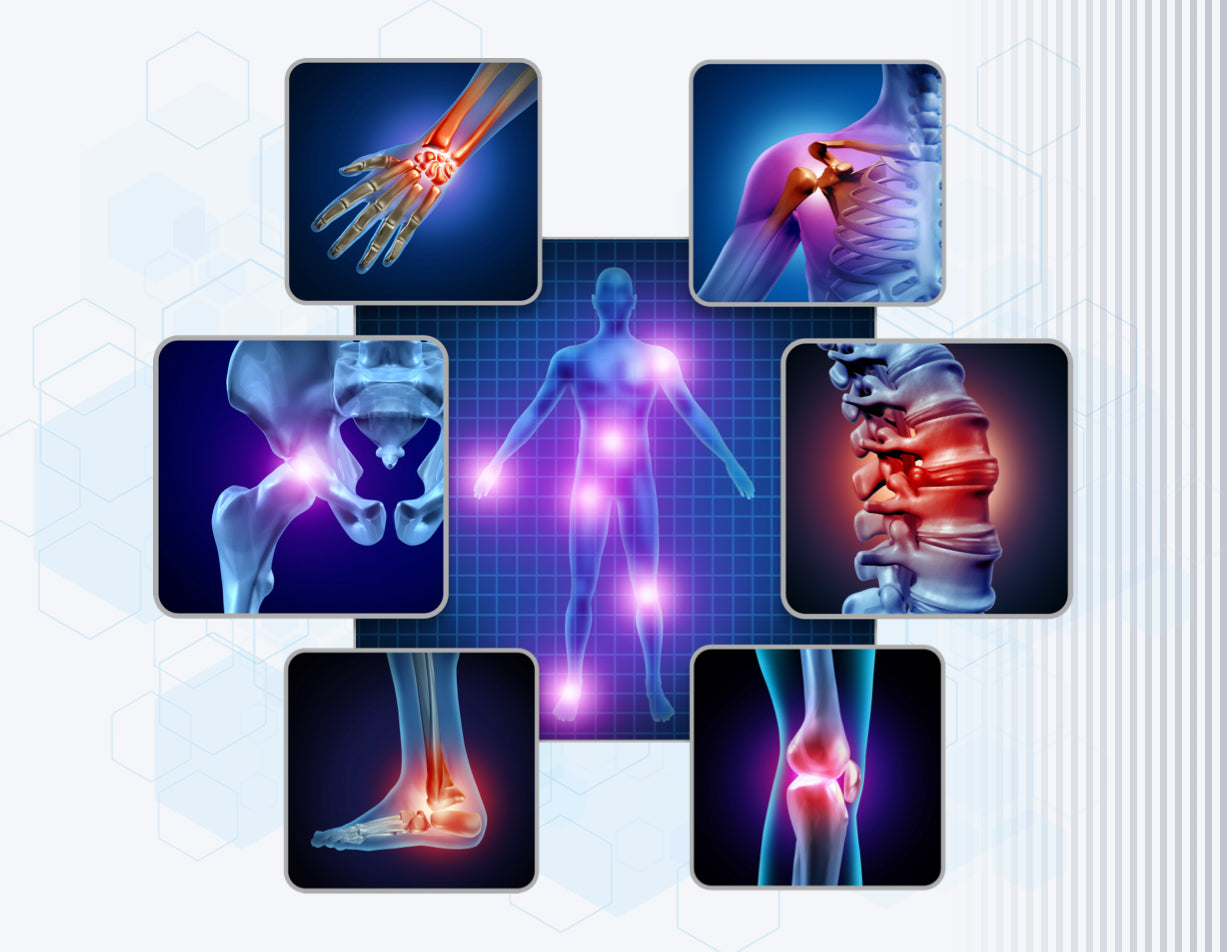
Low-risk, no-hassle way to make sure your body isn't allergic to one of the metals used in artificial joints. How? By testing for skin reactions to seven of the most commonly used metals in medical procedures. These procedures include: Joint replacement, Arterial Stents, Orthopedic plates and screws, Cardiac pacemakers and defibrillators, Sternal wires, IUDs, Dental implants

Wear both discs for 5-7 Days or until a Harmless Contact Dermatitis RASH develops . You may wear two Discs on Each Separate Wrist Simultaneously, and COMPLETE the ENTIRE Sensitivity Test for both Metals in ONLY 5 to 7 Days . Safe to Sleep , Shower, Swim and Exercise while Wearing

Important

Created and Designed By Surgeons

Each Disc is Already Attached to their OWN Easy to Use Self Fastening Strap . Wear TWO Discs per Each Wrist Simultaneously and Complete Testing for ALL Metals in only 5 to 7 days

From our customers

★★★★★

Positive copper reaction and a green wrist but now I know what sets of my dumb skin. Cheaper and more convenient than waiting for Dr appt.

-
January 16, 2024
★★★★★

As a life-long allergy sufferer, I am always doing research on my condition. I discovered Sensiband from a press release I saw and looked at the website before ordering one.

I found it to be a very sleek design, and given that I'm quite active, I was pleased that the band stayed on during all my sports and activities with my kids.The product is well designed and durable. I would highly recommend the Sensiband for anyone who is concerned about sensitivities to metals, especially if they are going to have a surgery with any kind of metal implant.

Paul J.
February 12, 2024
★★★★★

So thankful I ordered this before my knee replacement!! You guessed it I was allergic to the two metals used in my knee replacement!! Md got a me titanium knee.

Rose M.
December 6, 2023
★★★★★

It worked great thank you so much, I’ll feel better about my knee knowing I’m not allergic to the metal.

Tim O.
October 31, 2022

FAQs

An allergy is a reaction of the immune system to a foreign or familiar substance to which bodies do not normally react. The word allergy can be used interchangeably with hypersensitivity. The Oxford University Press defines an allergy as “a damaging immune response by the body to a substance to which it has become hypersensitive.”

In 1963, two British immunologists, Robert Coombs and Philip Gel, classified hypersensitivity reactions into four different types.

  • Type I – Immediate
  • Type II – Cytotoxic
  • Type III – Immune complex-mediated
  • Type IV – Cell-mediated reactions or delayed hypersensitivity

Learn More

Yes, but by themselves, metals do not cause allergies. They are essentially too small and are invisible to the immune system.

However, they can elicit immune responses and allergic reactions when they assume the role of a hapten. A hapten is a small molecule that elicits an immune response only when it binds to a carrier protein. This newly formed complex is what initiates the immune response.

Metal allergies are Type IV hypersensitivity reactions, which are cell mediated. These involve the cellular immune system. Specialized cells in the immune system orchestrate the cascade of reactions that ultimately cause the allergic response. 

The cascade of reactions begins when an allergen activates specialized cells called T-cells. These activated T-cells then release substances known as cytokines which influence other cells. Two of these cell types are cytotoxic CD8-positive T-cells and macrophages.

These macrophages and CD8+ T-cells release inflammatory mediators, which enhance vascular permeability and cause damage to local tissue. Evidence for this includes erythema, cellular infiltration, induration, and formation of vesicles.

Unlike the first three types of allergic reactions which occur rapidly, the Type IV reaction is delayed, which means that there is a lag time from the initial exposure to the allergen to the time when the immune system manifests a response. Typically, it takes 1 to 3 days for a response to occur. Infectious contact dermatitis, transplant rejection, and graft-versus-host disease are all Type IV reactions.

Common antigens that cause Type IV reactions include poison ivy, topical medications, detergents, perfumes, rubber products, and other chemicals. Many individuals also develop contact dermatitis to metal jewelry or piercings.

Learn More

The incidence of metal allergies is increasing in the general population. This is due to the increased exposure to metals in the environment and in daily life. Metals are present in many items that directly contact the skin and are also found in implanted medical and dental devices, tattoo ink, foods, and supplements.

Learn More

There are two commonly accepted tests that can help to determine if an individual is allergic to one or more metals. One is a Patch Test, which is most commonly performed. The less common test is a Lymphocyte Transformation Test, which is a blood test. Both tests must be ordered by health care providers.

Skin prick tests and skin injection tests are useful to identify allergies to substances like pollen, mold, pet dander, dust mites and foods, but they are not used to identify allergies to metals.

Learn More

Most individuals with medical and dental implants do well and do not experience any allergic reactions. However there are some individuals who experience local and/or systemic symptoms.

The incidence of metal allergies is rising in the general population, most likely a consequence of increased exposure to metal from piercings, jewelry, and internal medical devices or dental restorations. Medical implants use multiple metals, including nickel, cobalt, chromium, molybdenum, zirconium, and titanium. As many as 13% of people are sensitive to nickel, cobalt, or chromium. 17% of women and 3% of men are allergic to nickel, and 1-2% of people are allergic to cobalt, chromium, or both.

It is not surprising that immune response to medical implants is commonly reported in the literature, including hypersensitivity to pacemakers or other cardiovascular devices, dental implants, and orthopedic hardware, including joint replacement prostheses, fracture fixation devices, and pain-relief stimulators.

If an individual experiences any of the symptoms for metal allergies, it would be wise to undergo testing to help make this diagnosis. Greater awareness of hypersensitivity to metals could prevent patient exposure to implants which could lead to significant morbidity.

In 1994, the European Union recognized the significant troubles associated with the increasing incidence of hypersensitivity to nickel, and on June 30, 1994, the EU issued a ‘Nickel Directive,’ which regulates the use of nickel in jewelry and other products that come in contact with the skin. The aim of the legislation is to prevent the general population from becoming sensitized to nickel and to reduce nickel allergic contact dermatitis reactions in the majority of nickel-sensitized individuals. China adopted a similar standard in 2012.

Although no such directive exists in the United States, efforts are under way to mandate safe use guidelines for nickel. In 2014, it was estimated that roughly 2.5 million US adults and 250,000 children were suffering from nickel allergy, at an estimated cost of $5.7 billion per year for treatment of symptoms.

Learn More

Treatments are tailored for each patient and is dependent upon their symptoms and the specific circumstances surrounding their allergic responses. Once a metal allergy has been confirmed, the best treatment is avoidance of metal-releasing items.

In patients who are experiencing contact dermatitis due to a metal that is in contact with their skin as seen with jewelry and piercings, they can simply remove the metal object and monitor the reaction, which in most cases will improve over time.

Learn More

Nickel and Cobalt for 5 days / Chrome and Molybdenum for 5 days /Titanium and Aluminum for 5 days (Copper is specific to IUD's). 

By following the ABOVE Recommendation, you may TEST Yourself in only 15 days.

*Add 5 to 7 days to receive the TEST KIT after Ordering.